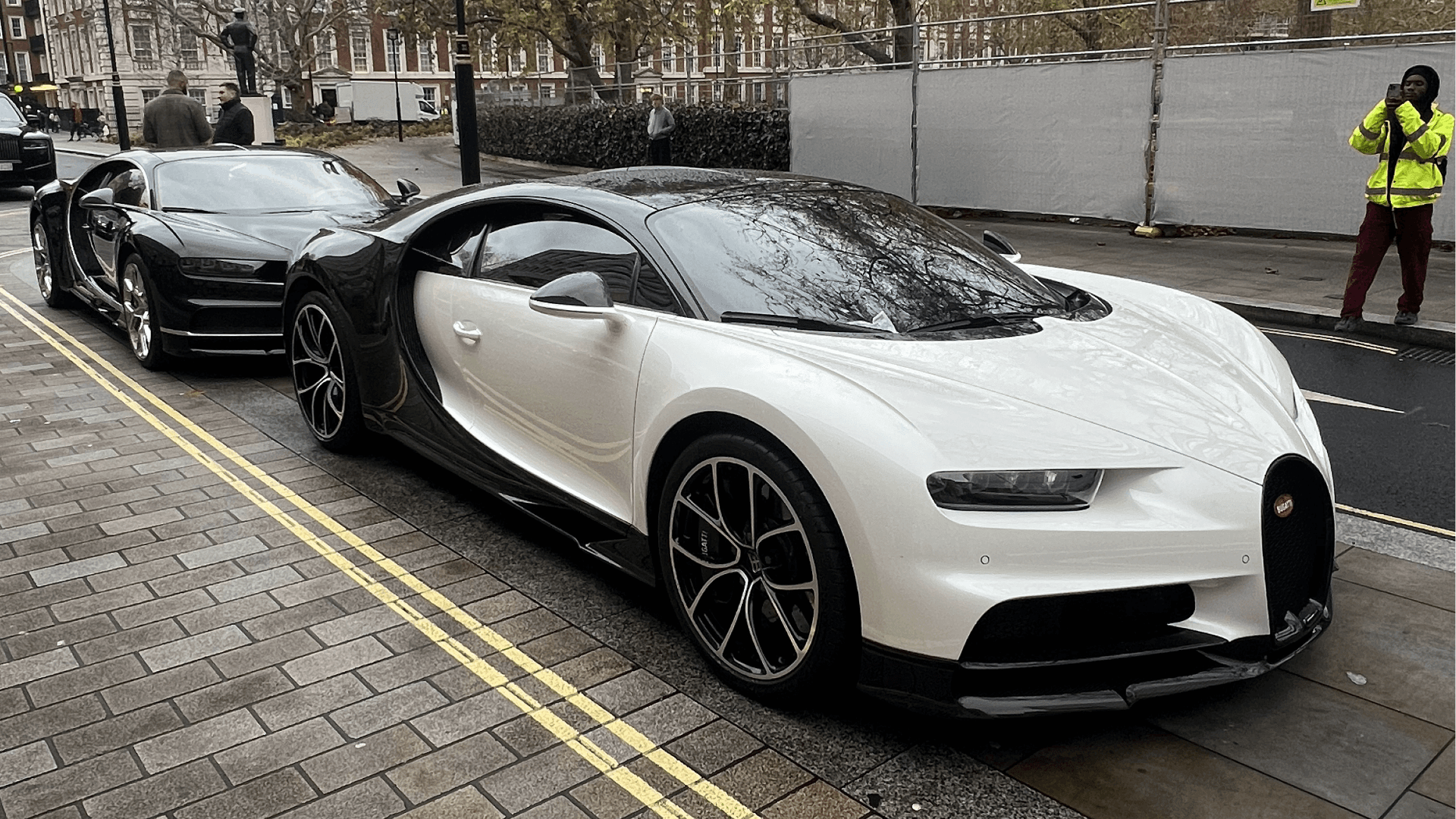
Car spotting is the hobby of finding, identifying, photographing or filming interesting vehicles in public, most commonly supercars, hypercars, classics and rare editions.
Some people car spot for the thrill of seeing something rare. Others do it for photography, content creation, collecting “spots” as a personal log, or simply being part of the automotive community.
Car spotting can happen anywhere:
City hotspots (hotels, showrooms, weekend districts)
Motorway services
Track days and circuits
Organised automotive events like Canford (often the best place to start)
If you’ve ever seen a Ferrari, Lamborghini or classic icon and felt the urge to grab a photo - you’ve already started.
Why has car spotting become so popular?
Car spotting has exploded because it combines:
Real-world treasure hunting
Photography and videography
Community and social media
The chance to see rare cars without owning them, but often the catalyst for inspiration and motivation towards future ownership. A leading example of this is car-spotter Freddie Atkins (@TFJJ), with nearly 700k Instagram followers, Freddie has started collecting his own cars such as the Ferrari 458 and Mercedes AMG SLS.
Platforms like Instagram, TikTok and YouTube have made it easy to share a “spot” instantly, which means more people are actively looking, learning, and swapping tips.
How to Car Spot (Beginner Guide)
What counts as a “good spot”?
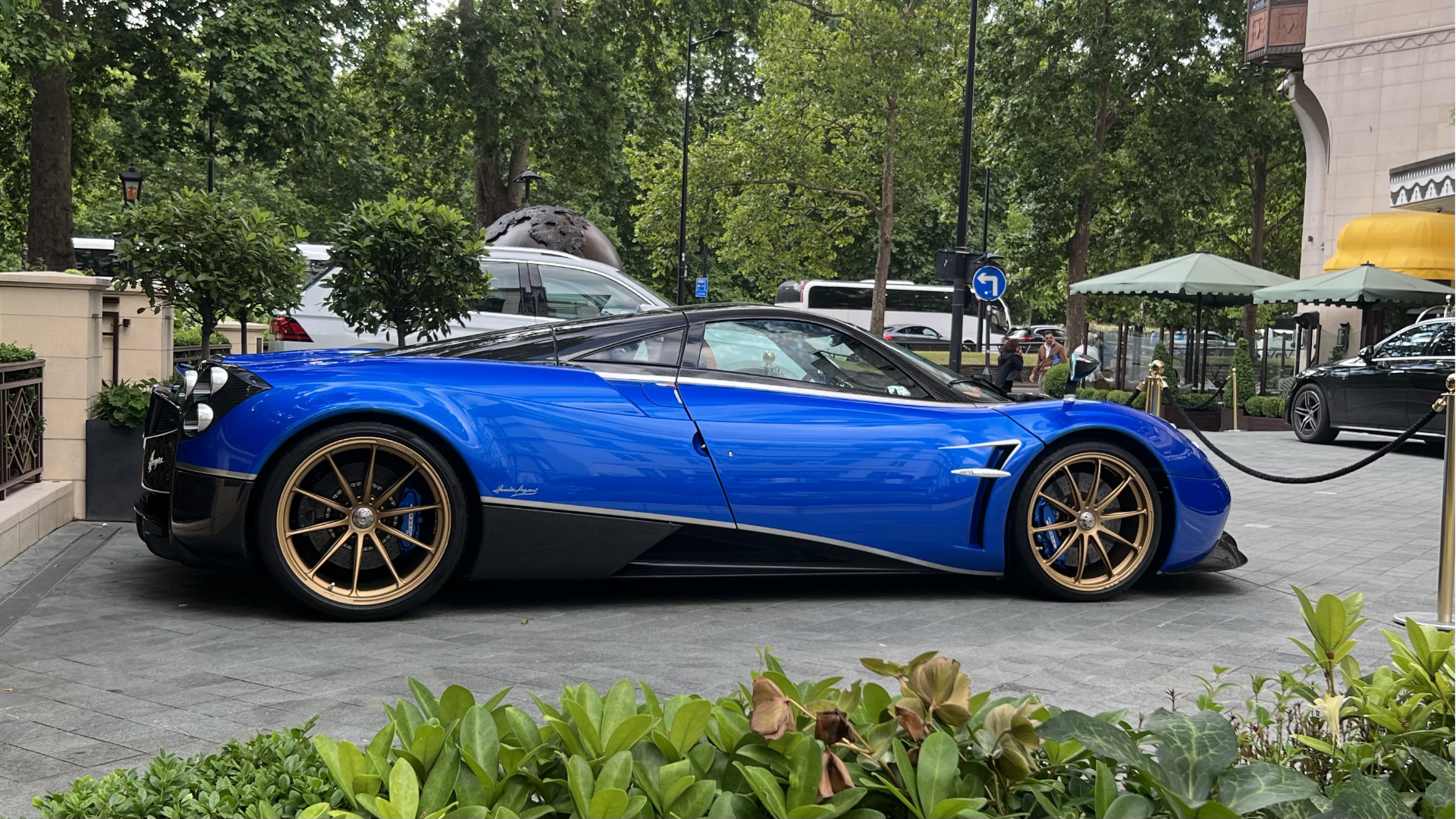
A good spot isn’t just “an expensive car”.
Spotters usually care about:
Rarity (limited production, special editions)
Spec (colour combos, wheels, interior, options)
Condition (clean, well presented)
Context (great lighting, interesting location, event setting)
Story (why is this car here?)
A well-shot “common” supercar with a perfect spec can be as exciting than a badly-shot hypercar in traffic.
Car spotting vs going to car shows
Car spotting is often spontaneous. Car shows are structured.
If you’re new, events are the easiest way to start because:
Cars are stationary (better photos)
You see lots of variety in one day
Lighting and angles are predictable
Etiquette is easier to learn in a controlled setting
If you want the practical step-by-step, read:
How to Car Spot (Beginner Guide)
Car spotting etiquette (the Aperta golden rules)
If you only remember one part of this guide, make it this:
Don’t touch cars
Don’t lean on cars for photos
Don’t block doors, driveways, or footpaths
Don’t surround owners like a crowd
Ask before filming interiors or close-ups of people
If someone looks uncomfortable, step back
Good spotters get welcomed back. Bad spotters get locations shut down or lead to special vehicles never returning to hot spot locations.
What you need to start car spotting
You can start with just a phone.
Most beginners add:
A small microfiber cloth (for your lens)
A portable charger
Optional: a clip-on polarising filter (cuts reflections on glass/paint)
Comfortable shoes (seriously)
We cover gear and polariser tips in the “How to car spot” guide.
Next steps: where to go + how to start
To build this topic properly, we’ve created a full set of guides:
FAQ
Is car spotting legal in the UK?
Generally yes in public spaces, but private property rules apply. Always follow venue rules and respect requests to stop filming. It is important to respect personal property and avoid photographing people's homes.
Do I need a camera for car spotting?
No. A modern phone is enough to start. Technique matters more than gear.
What’s the best time to go car spotting?
Weekends, sunny afternoons, and evenings near restaurants/hotels tend to be busiest.
How do I identify cars properly?
Start with badges and shapes, then learn variants (e.g., GT3 vs GT3 RS). Apps and car encyclopaedias help.